
The Art Behind Flow: Engineering Industrial Piping
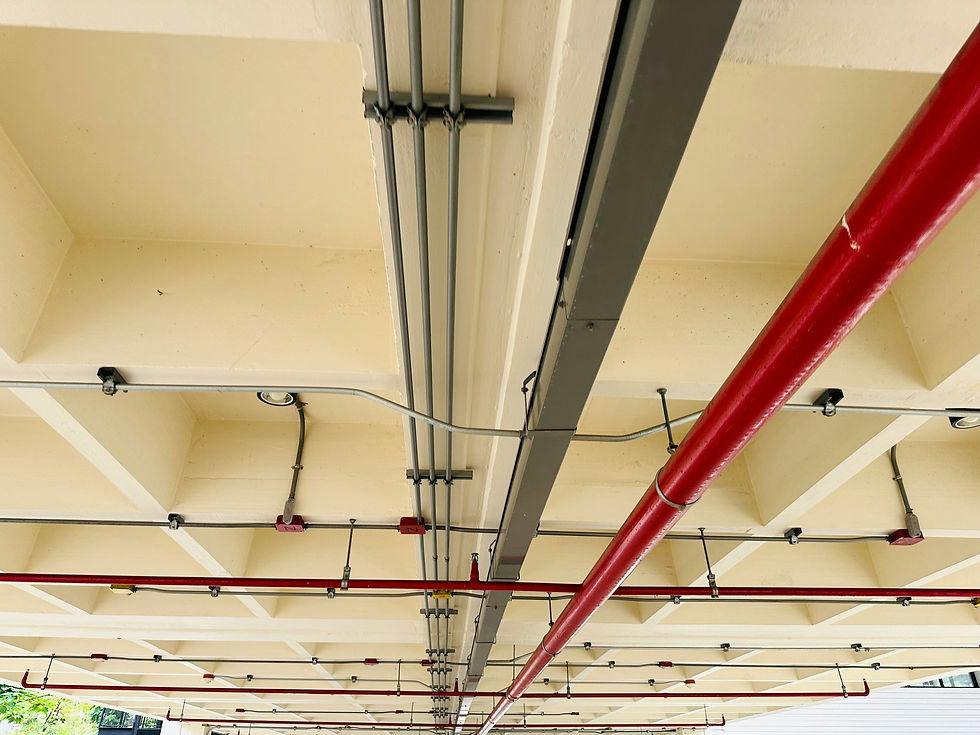
Inside a factory, there's an invisible but life-sustaining system: piping. Like the human vascular system, pipes keep production running by safely transporting energy, water, steam, and chemicals. But the design, installation, and maintenance of these systems are no ordinary task; they require a combination of engineering discipline, materials science, and field experience .
Engineering and Planning
At UNSA ENGINEERING, piping projects begin in the field, not at a desk. Our expert engineers analyze existing lines and collect data on pressure, temperature, flow rate, and material properties. In light of this data, flow diagrams (P&ID) are prepared and the hydraulic-mechanical balance of the system is established.
Material Selection and Assembly
Not every pipeline is the same. Some systems must withstand high pressure, some corrosive chemicals, and some temperature changes. For this reason, UNSA ENGINEERING selects steel, stainless steel, galvanized pipes or special alloys specifically for the project.
During the assembly phase:
All welding is done by certified welders .
Leakage tests are performed at connection points.
Before the facility is put into operation, the systems are subjected to hydrostatic and pneumatic tests .
Sustainability and Efficiency
Energy efficiency is of great importance in modern industry. UNSA ENGINEERING helps businesses reduce their carbon footprint with line designs that minimize energy losses in piping systems.
Conclusion
The correct piping system is the silent hero of production processes. The difference of UNSA ENGINEERING is that it treats each line as a work of engineering.


Comments